

Overview
Let’s briefly explore the relation between earth/rock anchor testing and Civil Engineering, or more specifically Geotechnical Engineering. In the specialization of Civil Engineering, the study of soil science and strength is important. Generally, there are risks associated with building a structure resting on weak soil.
In terms of load bearing capacity, lower cohesiveness and/or presence of the water table, among other factors, can result in weaker soil. Fortunately, Earth (Soil/Rock) Anchor Testing, among other methods, has the potential to provide valuable results and insights into soil strength, particularly when developing structural foundations.
Earth Anchor Testing involves installing an anchor into the ground and applying a load to it to measure its capacity. This test is used to determine the anchor’s stability in various soil conditions. If the test is successful, it indicates that both the anchor and the surrounding earth can withstand the loads that will be soon applied on them.
Earth Anchor Testing is helpful when structures must be anchored to soil slopes or embankments. The anchorage in these situations prevents erosion and soil instability. This type of testing is commonly used for retaining walls, foundation walls, and slopes. Earth anchor testing can reveal the ultimate skin friction resistance or bond strength between the anchor and the surrounding soil or rock.
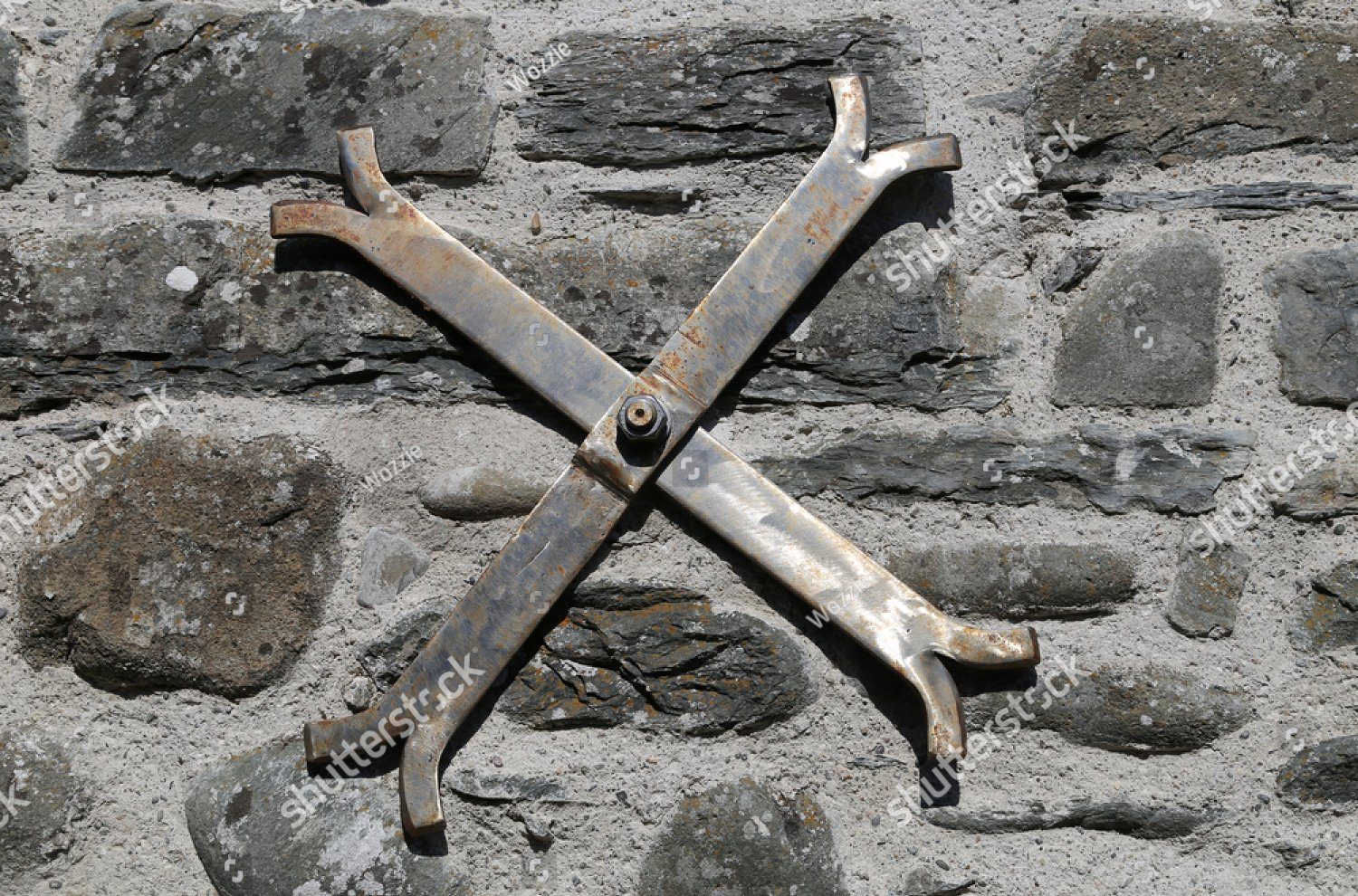
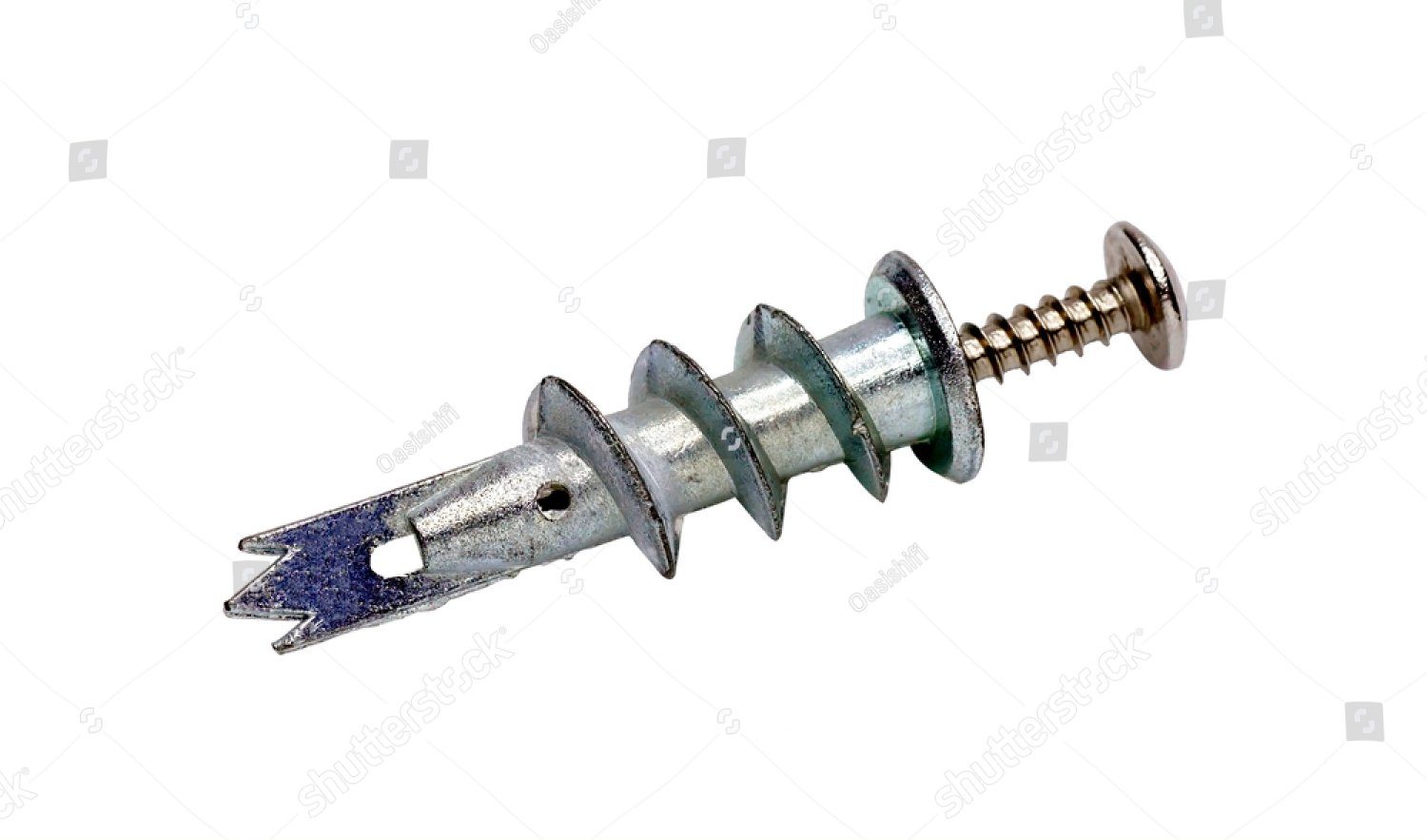
Earth Anchorage Characterization
One paper defines ground anchors as steel tendons or strands used to transmit an applied tensile load into soil or rock through cement grouting. Its objective is to offer a way for stabilizing retaining works, either during the construction stage as a temporary anchor, or during the entire life span of the retaining structure as a permanent anchor (Adel-Rahman and Awad-Allah, 2022).
A few examples of anchorage usage are power transmission towers, bulkheads, bridges, moorings, pipelines, and any type of guyed structure (Kovacs et al., 1975). Earth anchor techniques are also used in deep excavation for basements, underground parking, and many other uses. Even camping tents often use guyed anchorage.
These anchor types are generally used to anchor guy wires against relatively light to moderate loads. Recommended design loads are usually specified by the manufacturer according to anchor type, size, and some measure of soil type and condition.
Key Market Breakdown
- Soil anchors: 70–80% of the market
- Rock anchors: 10–20% of the market
- Marine anchors: separate category
Maximum loads recommended for larger mechanical anchors are generally 20,000 lbs to 40,000 lbs (Kovacs et al., 1975). Examples include spin-lock rock anchors, Manta Ray & Stingray soil anchors, helical piers, and cable + rod anchors.
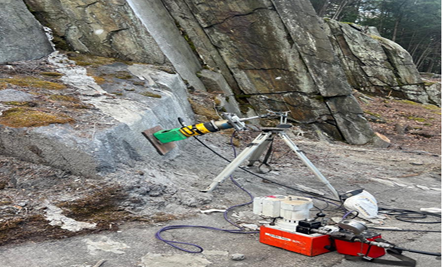
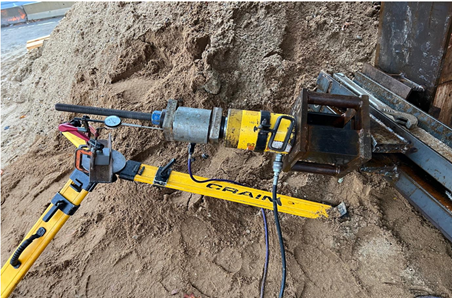
Earth Anchorage Performance
Although there are theories proposed to predict the bearing capacity and load transfer mechanism of anchors, understanding full behavior is still an active research area. With increasing load, plastic failure zones develop around the anchor and propagate outward. Soon, the maximum allowable uplift strength (Pmax) is reached.
After Pmax, the anchor may continue to move even if load falls below Pmax. Eventually the ultimate uplift strength (Pult) is reached. These loading characteristics are analogous to ultimate shear strength (𝜏ult) and maximum shear stress (𝜏max).
Figure 4 depicts a pull-test for a grouted tieback system. The procedure follows NYS DOT standard specifications. The anchor was locked off at 31,640 pounds (2,650 psi) based on calibration reporting.
Afterthoughts
Pre-existing information on earth anchor loading, strength, and stability provides important context for engineers and tradespeople. Many structures likely contain anchorage—from small-scale tent anchoring to retaining walls, sheet piling, and slope stabilization.
Anchorage should correctly and safely transfer loading through skin resistance or point resistance into the surrounding soil or rock.
Conclusion
Civil Engineering is often considered the oldest branch of engineering. Within Civil Engineering, Geotechnical Engineering—and soil strength in particular—is vital because it directly affects stability and safety.
This article explored types of earth anchors used by engineers and tradespeople, with emphasis on grouted earth anchors. As more testing and full-scale trials are conducted, confidence in anchorage systems increases and structural stability improves.
Contact Atlas Anchor for help with your Earth Anchor Testing.
If you have questions or want testing support on a project, reach out—our team can help with verification and reporting.
Contact Us
We'd be happy to hear from you! Please fill out the form below and someone from our team will be happy to get back to you as soon as possible.
"*" indicates required fields